GEN•TRI•FI•CA•TION:
The process by which an [urban] area is rendered middle class.
First published use: 1973
-Oxford English Dictionary
Characterized by the movement of middle class [often white] people into lower income [often minority, especially black] neighborhoods, the phenomenon known as ‘gentrification’ has been playing out in American cities for nearly 50 years. For a variety of reasons, in the last 10-15 years there has been a marked increase in the process, particularly in the five years since the Great Recession. Further, the phenomenon is being seen in cities all around the country, from Columbia, SC to San Francisco, CA. The speed and momentum of these changes has made the potential negative effects on long-term residents even more acute.
Shaw is one of the most rapidly gentrifying neighborhoods in one of the most rapidly gentrifying cities in the country, Washington, DC. The great specter of gentrification is displacement due to rising rents and property values. Those studying the effects of gentrification, however, have found that its role in displacement is more nuanced than is perceived, and in some cases may not significantly affect displacement at all. So why all the fuss?
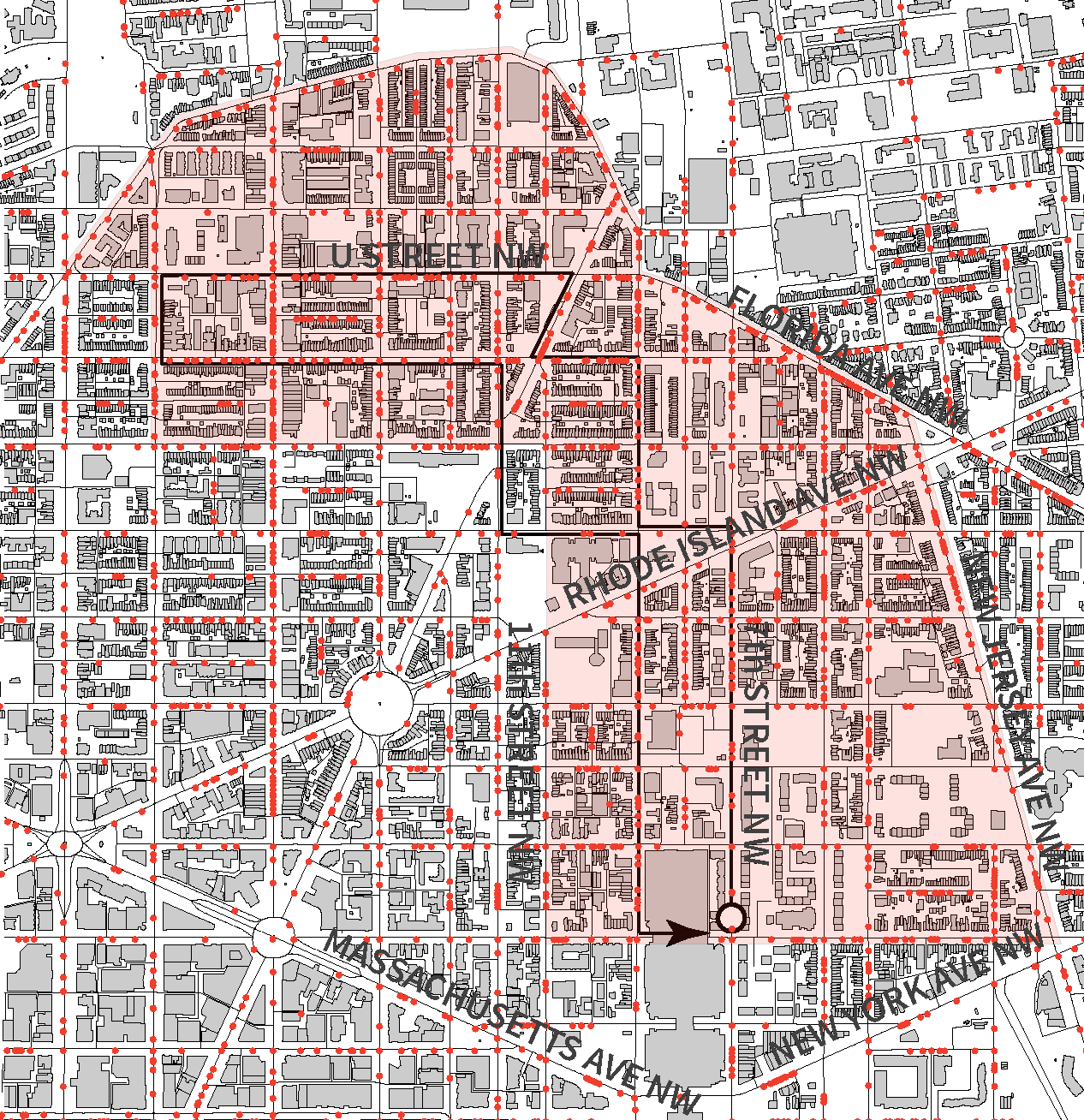
Despite the various benefits gentrification can bring to a neighborhood, for longtime residents of a neighborhood, the psychological effects of watching a familiar place change seemingly overnight — its architecture, culture, and complexion — can be traumatic. Though gentrifying neighborhoods become more diverse with regard to class and/or race, cultural differences may inhibit the extent to which the neighborhood integrates to form a new, whole community.
By analyzing the spatial patterns of gentrification, can we identify ways for design to aid in the integration of diverse urban populations? What effect does psychology play in the perceptions of gentrification, and how might the psychological impacts and capacity of design thus be employed to improve community outcomes?
DEMOGRAPHIC GEOGRAPHY, 2010:

HISTORICAL CONTEXT:

“White Flight” from DC Public Schools began as early as the 1940s, though the phenomenon also included a substantial proportion of DC’s Black middle class. Yet though 55% of DC’s public school students in 1946 were white, by the fall of 1967, they comprised only 9.2% of students enrolled in DC public schools.
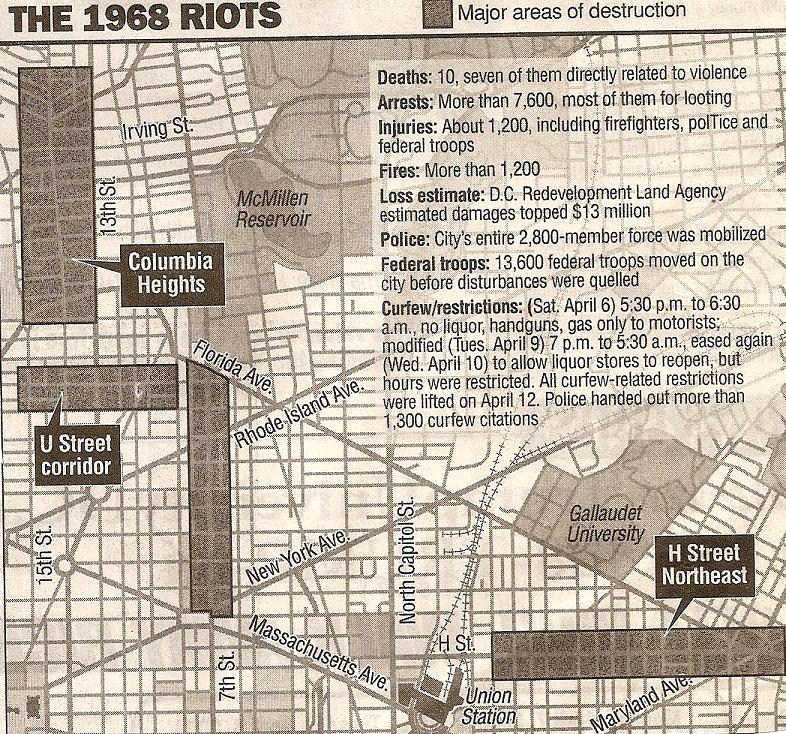
In the aftermath of the 1968 Riots, the movement of middle class Washingtonians to the suburbs of the city only increased, spurred in part by simmering racial tensions in the neighborhoods hardest hit by the disorder and violence. The greater Shaw neighborhood was particularly impacted because of its position as an historic border between black and white Washington. Whole blocks of the neighborhood lay in ruins for years, until the arrival of the Metro in 1991 decreased the neighborhood’s isolation and increased incentive for development in the area.
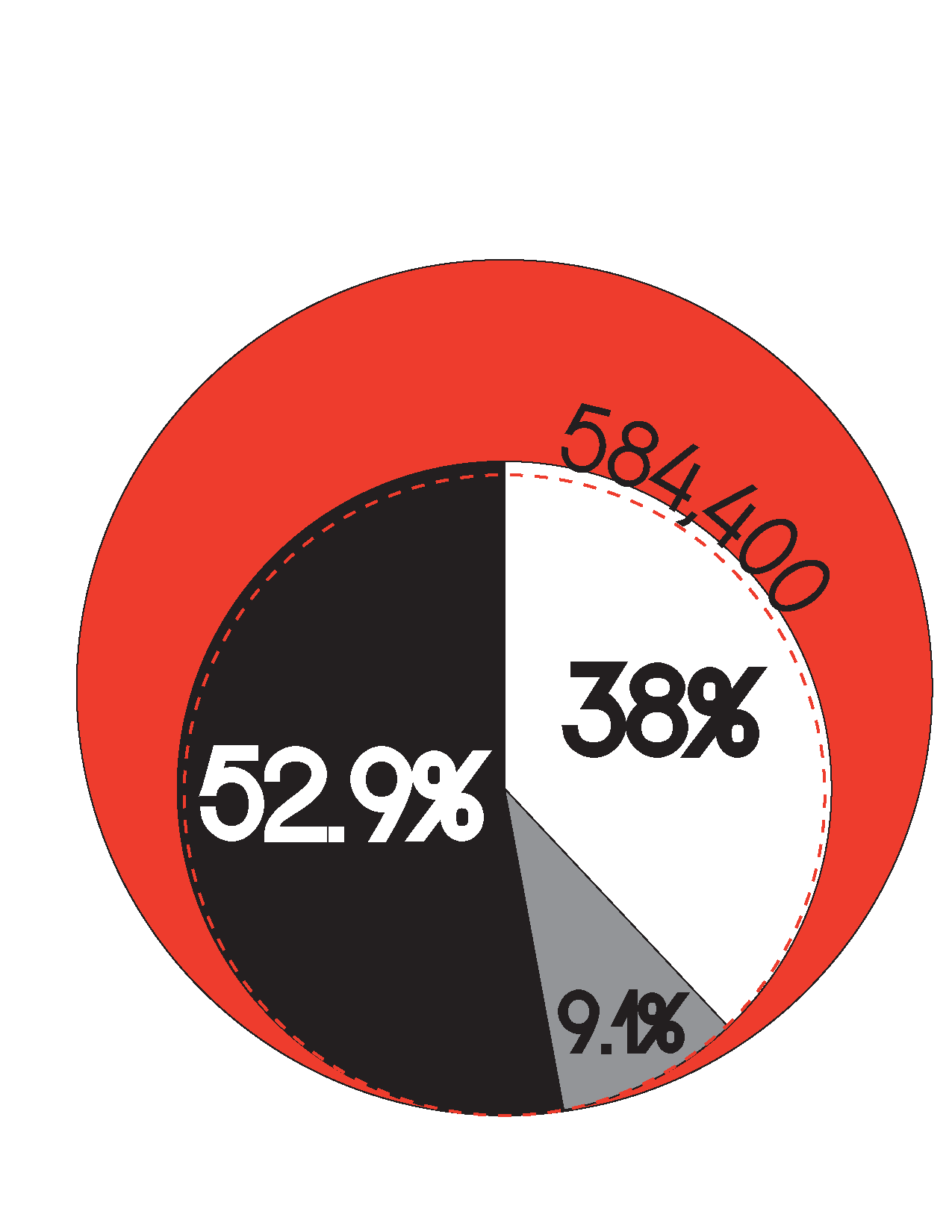
DEMOGRAPHIC TRENDS OF THE DC POPULATION, 1960-2010
1960: A largely black and white city divided along its N/S axis, the lower-income neighborhoods on the eastern side of the city were still somewhat integrated.

1970: After the riots of 1968, the white population of the city dropped dramatically, and the segregation of the races within the city’s boundaries increased.

1980: The population of the city continues to fall, though the relative proportions and geographic distribution of black and white residents is relatively consistent.

1990: Though the population continues to fall, the rate of depopulation decreases and the balance of black and white residents begins to shift for the first time in 20 years.
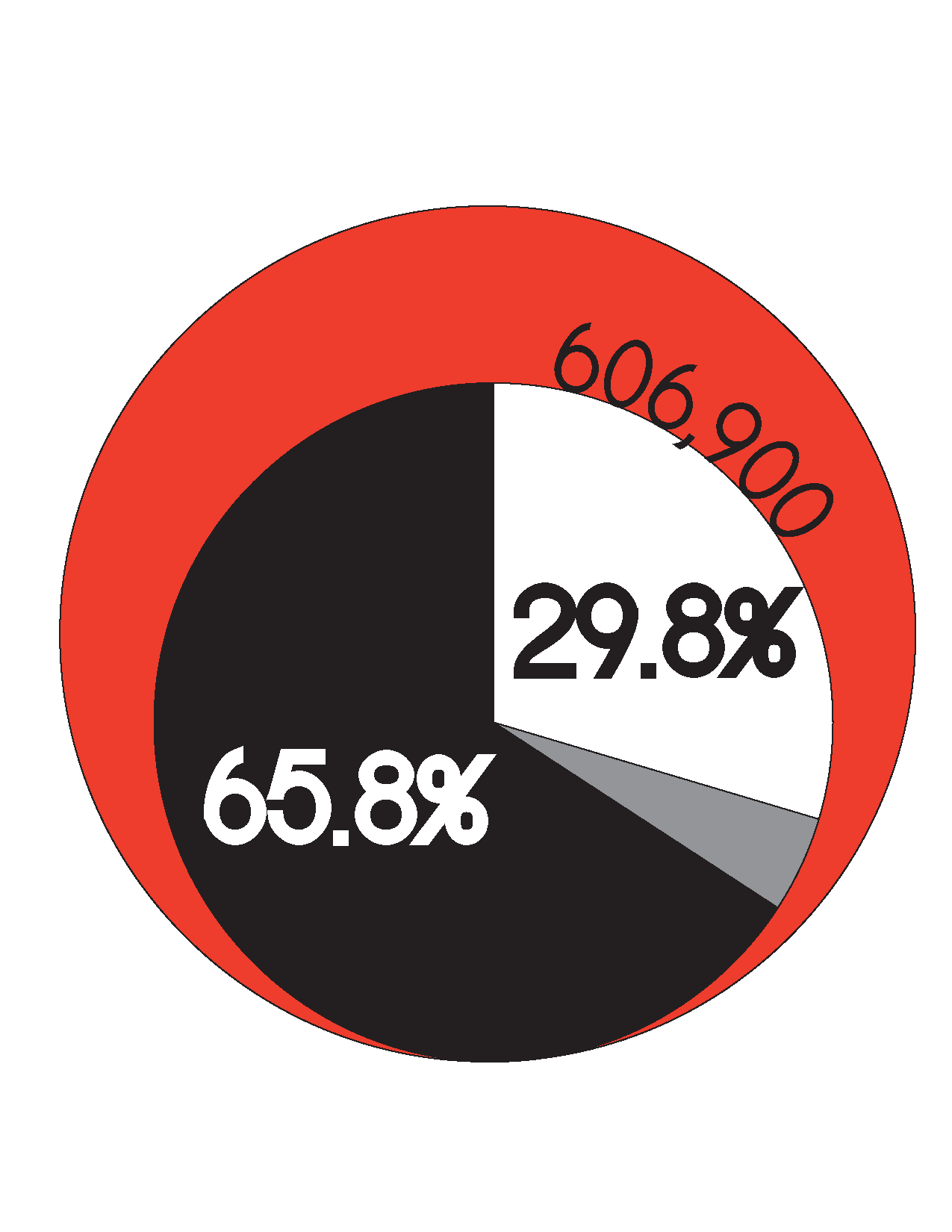
2000: The trends that began in the 1990s continue, with depopulation starting to level off, and an increased population share for whites and other non-black minorities.

2010: By the most recent census in 2010, the population had started to grow again, with a nearly 10% increase in the white population over the previous decade, while the black population fell to its lowest level in over 50 years.
NEIGHBORHOOD LANDMARKS:

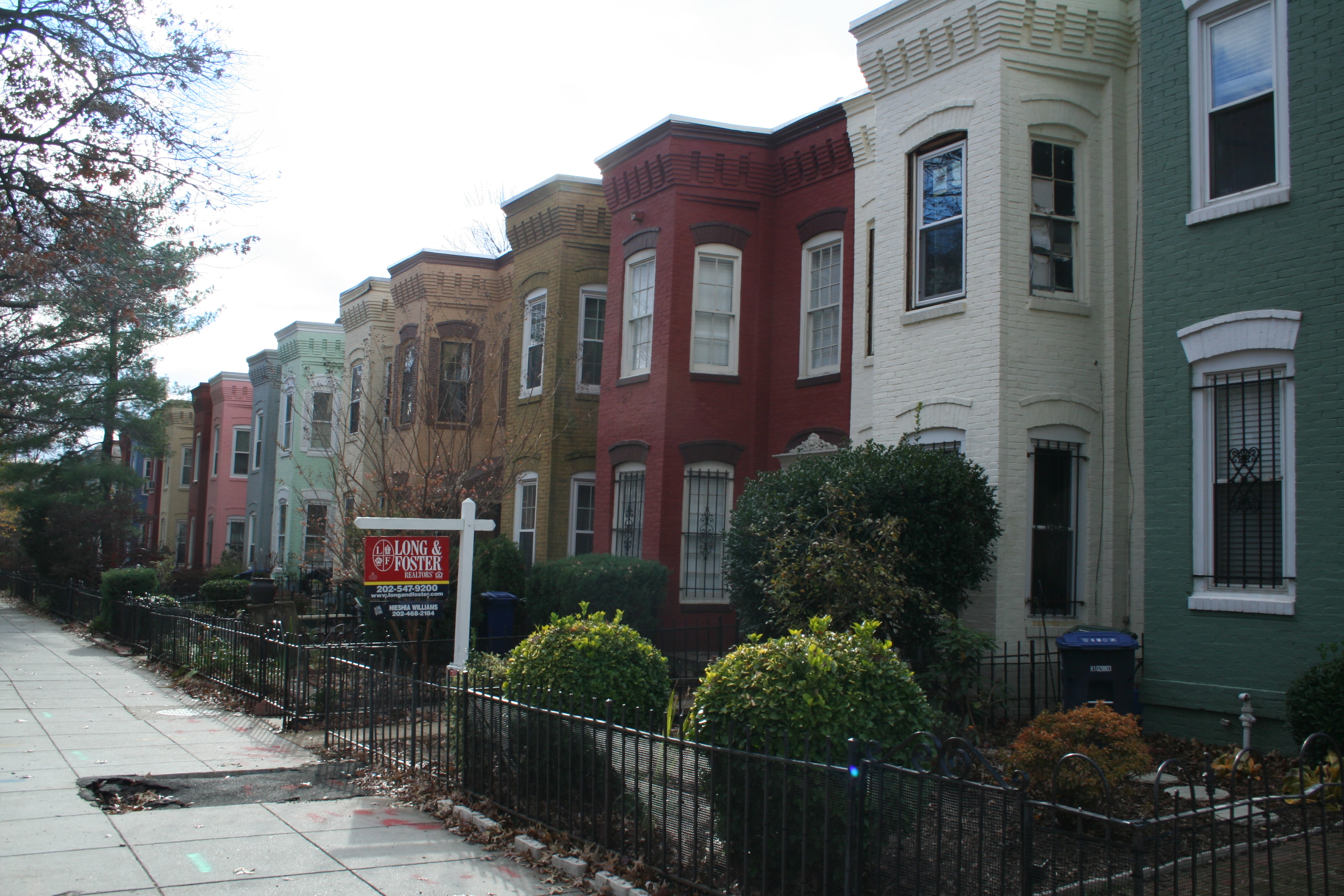
PUBLIC SPACE: The informal public space of Shaw’s streets are full of life even on the coldest days, yet much of the new construction ignores this important socio-spatial condition. As designers, we can and should be sensitive to the spatial patterns of life in historic neighborhoods, perhaps particularly in those that are gentrifying. Preserving these relationships allows for new neighbors to be incorporated into the daily life of the neighborhood in a way they wouldn’t if the street scape were designed merely for traffic.

LESSONS FOR DESIGNERS:

Walking through Shaw, there isn’t a block without construction of some kind. Even in temperatures hovering around freezing, however, the persistent culture of the neighborhood saw a father teaching his son to ride a bike, brothers playing outside a barber shop waiting for older male relatives, children playing in parks, and musicians out on street corners.
In this context of a highly animated street, the new buildings that loom over the already narrow sidewalks seem at odds with the dominant culture. Unlike the residential streets with fenced lawns in front of the row houses giving a comfortable setback for pedestrians, much of the new construction uses as much of the lot as possible, eliminating the possibilities for on-grade cultural interactions. As designers, we can and should be sensitive to the spatial patterns of life in historic neighborhoods, perhaps particularly in those that are gentrifying. Preserving these relationships allows for new neighbors to be incorporated into the daily life of the neighborhood in a way they wouldn’t if the street scape were designed merely for traffic.
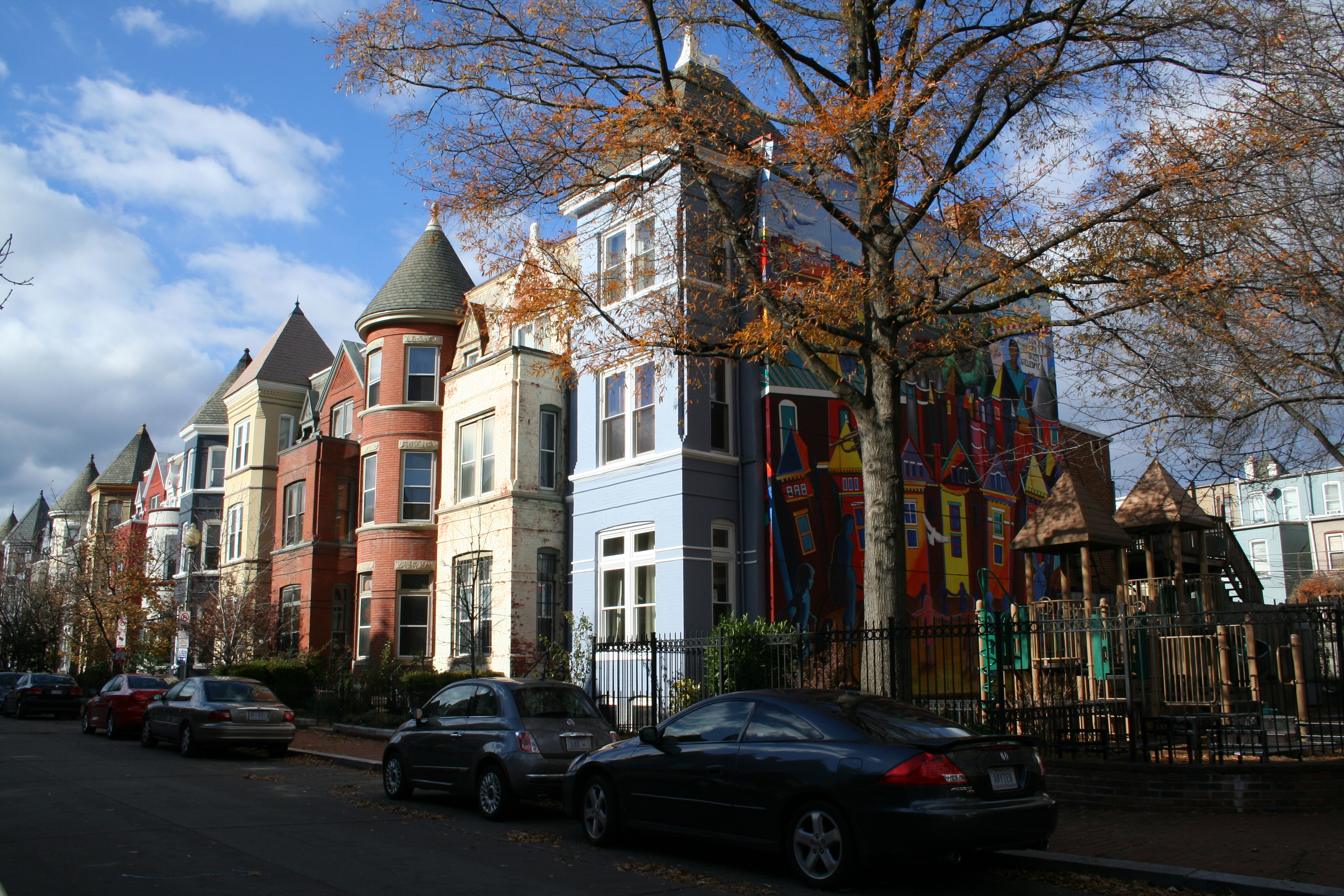
More generally, In the course of researching these diverse issues, I came to see the role of preservation being far more than something material. With the capacity to embody and anchor memories, places can serve as important arks for the long-time residents of a gentrifying neighborhood. What’s more, they can be catalysts of exchange within the transforming community, inspiring the new arrivals to delve into the history of their new home through conversations with their new neighbors.
How this may be achieved is the challenge. For it to work, designers must understand what is significant about and historic neighborhood both materially and culturally. Sometimes new design can redeem a structure: In the case of the O Street Market, the site of a deadly shooting in 1994 has been transformed into a wonderful new resource for the community, with fresh produce that would have been difficult to find in that area just three years ago. Attached to a new high-rise condo development, the grocery chain and city could have demolished the historic structure, erasing the history, to create something from scratch. But had they done that, this marker of place could not have stood as a beacon of the rebirth and redemption of the neighborhood, tying its past together with its future.
Cities must be dynamic to survive, and the goal of preservation should not be to freeze anything in time. At its best, the thoughtful practice of historic preservation extends the usable life of our built environment, and reminds us of our place within the continuum of history. Feeling rooted in time and place has been shown to be important to psychological well being, and if we keep that in mind as designers, we may be able to help gentrifying communities transition gracefully into the future, to the benefit of everyone who calls these places “home.”
all graphics, photographs, and text are my own work unless otherwise noted.
 Sarah E. Brummett